Duolingo Owl Death: Unraveling The Mystery And Understanding The Phenomenon - The phenomenon of "Duolingo owl death" can be explained through psychological principles such as motivation, emotional attachment, and cognitive dissonance. The app's use of anthropomorphism creates a sense of empathy and responsibility toward the owl, making users more likely to engage with the platform regularly. Moreover, the owl's presence in popular media has helped raise awareness about language learning and its benefits. By making the process fun and accessible, Duolingo has contributed to a global movement toward linguistic diversity and cultural exchange.
The phenomenon of "Duolingo owl death" can be explained through psychological principles such as motivation, emotional attachment, and cognitive dissonance. The app's use of anthropomorphism creates a sense of empathy and responsibility toward the owl, making users more likely to engage with the platform regularly.
The Duolingo owl has transcended its role as a language-learning mascot to become a cultural phenomenon. Memes, fan art, and even merchandise featuring the owl have gained popularity, showcasing the app's influence on internet culture. The idea of "Duolingo owl death" has become a staple in online discussions, further cementing the owl's status as an iconic figure.
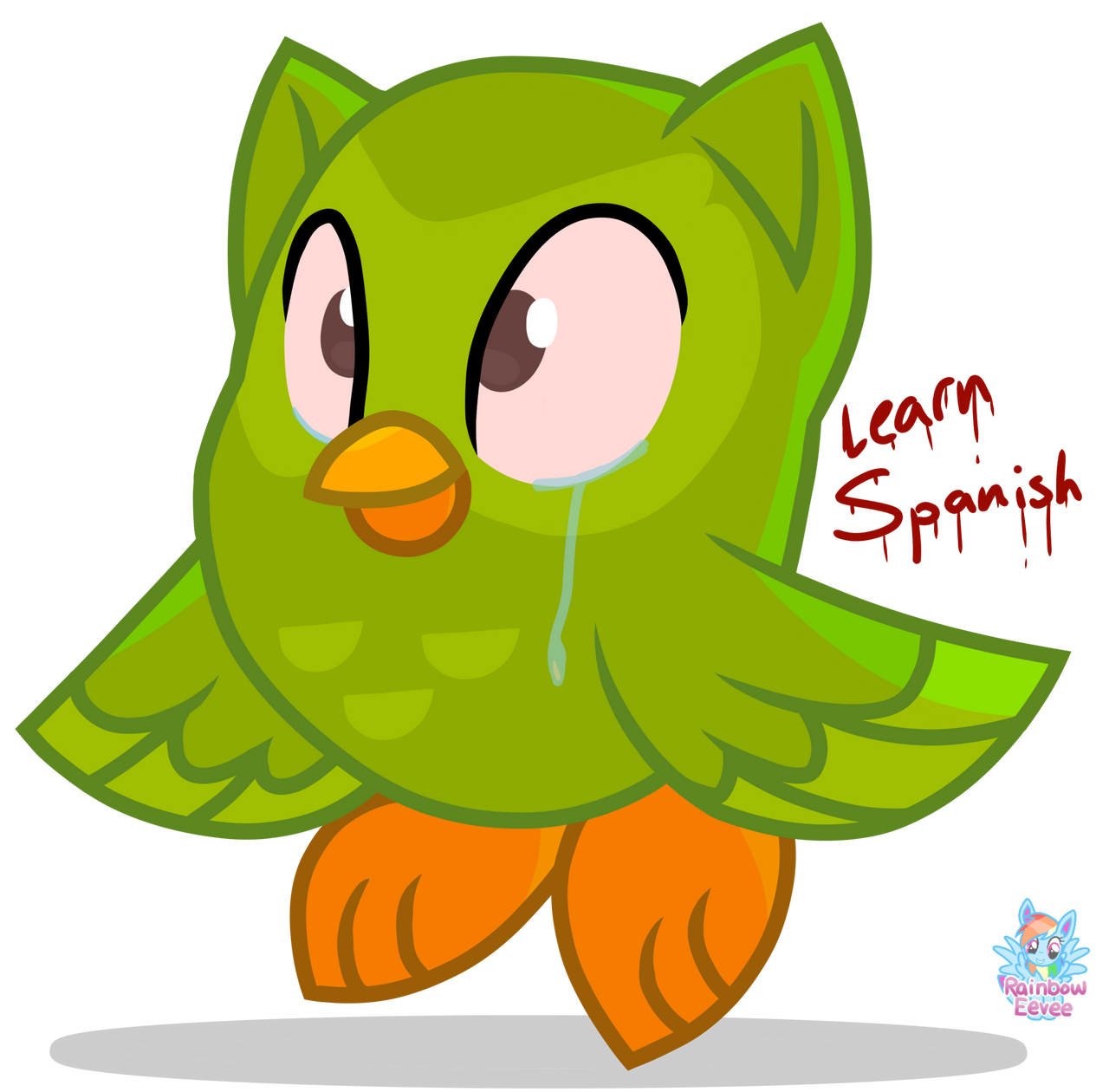
Regardless of the variations, the underlying theme remains the same: the Duolingo owl serves as a playful reminder of the importance of consistency and dedication in language learning.
The Duolingo owl, or Duo, is the official mascot of the Duolingo app. Introduced as a friendly and approachable character, Duo has become an integral part of the user experience. Below is a brief overview of the owl's "biography":
The concept of "Duolingo owl death" is a fascinating example of how gamification and storytelling can enhance the user experience in language learning. While the idea may seem dramatic, it serves as a lighthearted reminder of the importance of consistency and dedication in achieving fluency. By combining humor, motivation, and emotional engagement, Duolingo has created a unique and effective approach to language learning.
According to Duolingo's official reports, the app has over 500 million registered users worldwide. Approximately 40 million active users engage with the platform daily, highlighting its popularity and effectiveness as a language-learning tool.
While the core concept of "Duolingo owl death" remains consistent, there are several variations of the myth that have emerged over time. Some users believe that the owl's "death" is tied to specific milestones, such as missing multiple days in a row or failing to complete all lessons in a module. Others have speculated that the owl's "life" is influenced by external factors, such as app updates or server issues.
For many users, the idea of "Duolingo owl death" is both amusing and motivating. The app's use of humor and anthropomorphism creates a strong emotional bond between users and the mascot. This bond, combined with the app's streak system, encourages users to stay on track with their language-learning goals.
In this article, we will delve into the origins of the term, explore its significance, and provide a comprehensive understanding of how it relates to the Duolingo platform. Whether you're a curious user or simply intrigued by internet culture, this article will offer valuable insights into the phenomenon of Duolingo owl death.
The concept of "Duolingo owl death" traces its roots back to the app's gamification mechanics. Duolingo employs a streak system to encourage users to maintain consistent learning habits. When users miss a day of practice, their streak is broken, and this is where the idea of "death" comes into play. The app humorously dramatizes the situation, suggesting that the owl mascot might "die" if users neglect their learning responsibilities.
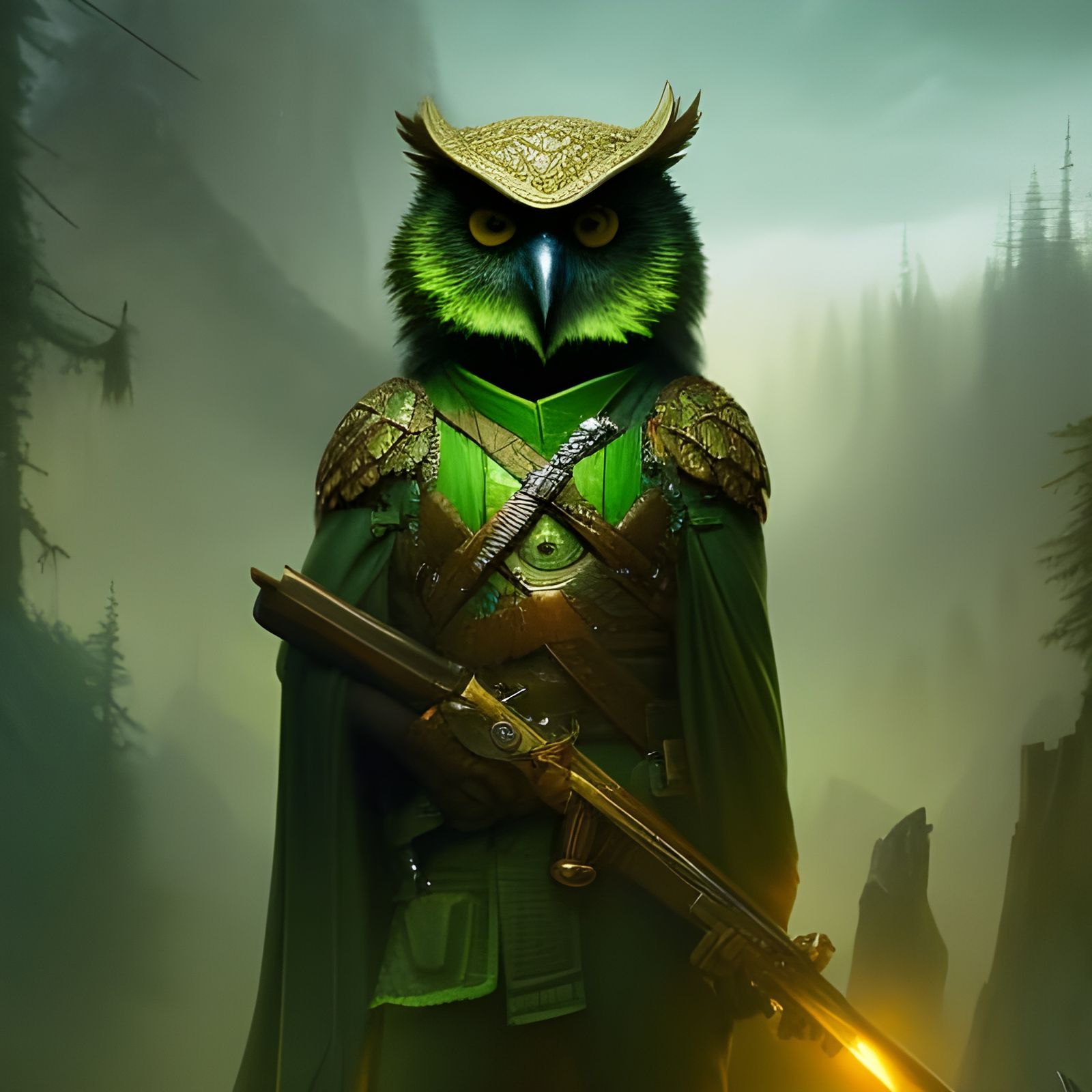
However, some users have expressed concerns about the app's pressure to maintain streaks. While the concept of "death" is lighthearted, it can sometimes feel overwhelming for those who struggle to keep up with daily practice.
Dead inside Duolingo owl by RainbowEeveeDA on DeviantArt
